Mandela & Synchronicity

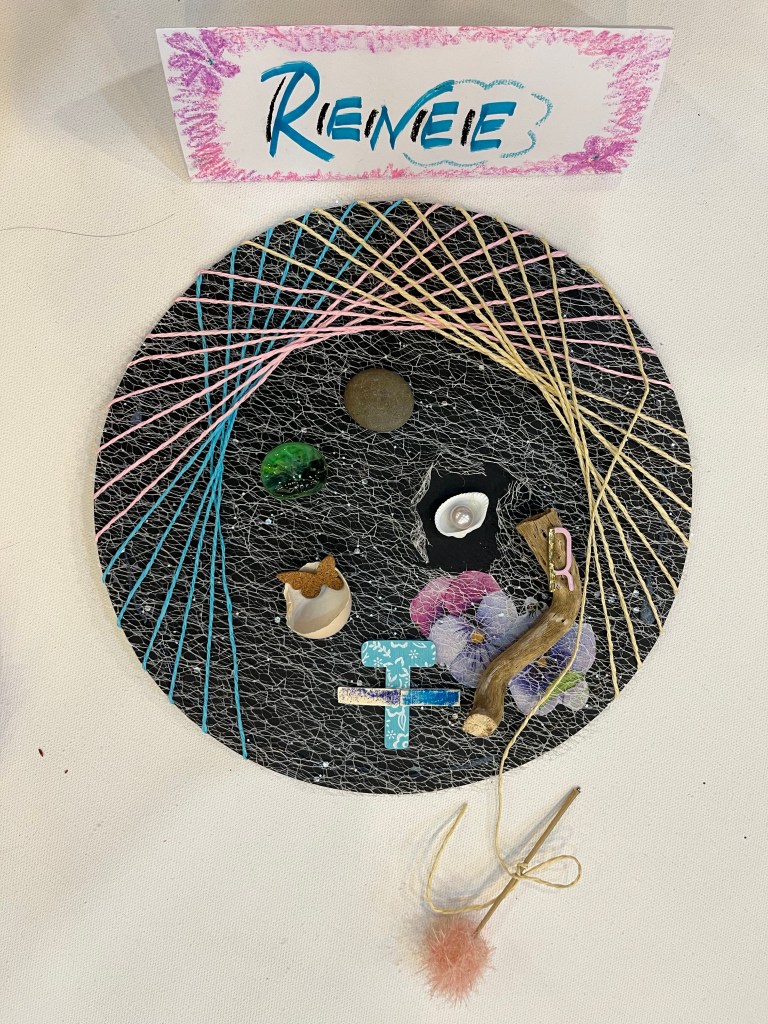
My mandela resembles the image of a native American dream catcher, which is a protective charm used to help assure good dreams to those who sleep under them. I did not intend to create it, but simply using some threads to make curve with lines to imply that I am a flexible person yet I also act on principles (i.e., 外圓內方). I left the dream catcher unfinished by connecting it with a fake dandelion. I remember I had written a poem in my high school titled “Dandelion” and it ended with a sentence stating “Sadly that it is dreamless” (i.e., 恨已是無夢). It has been almost 30 years from the time I wrote this poem, but this time I gave the dandelion a new meaning–the hope to continue chasing my dream.

Jung (1960) talked about the concept of “synchronicity” to describe somethings happen seemingly coincidental yet meaningful that is not about causality. He defined synchronicity as an … …

“acausal connecting principle,” “meaningful coincidence”, “acausal parallelism” or “meaningful coincidence of two or more events where something other than the probability of chance is involved.” (p.44)..”

(Jung, 1960)

It highlights an important element of subjective meaningfulness, which I think it is very important in art making process.

Dandelion – Symbol of Hope and Dream

While I was creating my mandela, I occasionally located a fake Dandelion on the work bench. It looked as if it was a wonderful final touch for my mandela – a symbol of hope and dream. Dandelions bloom in early spring with their golden flowers, it represents the return of growth and life after a harsh winter with a display of strength. The outburst of deep yellow flower heads of the Dandelion in the grass field always give out a sense of happiness and brightness. Days after flower, it goes to seed and forms feathery puffballs. For generations, we were told that if we wish for something while blowing, and manage to blow all of the seeds away, then the wish will come true. For me, the process of blowing the seeds of a dandelion and its symbolic meaning could be more substantial, it serves as a symbol of survival, reborn and rebellion. Dandelion is like a beautiful fighter that refuses to stay hopeless, and it also introduces randomness to those socially accepted regulations and routines of my everyday life.

My synchronicity with the dandelion aids in awakening my need for getting in touch with my inner self and being a more autonomous grown up (as compared with the me in high school), that is to find my path of individuation in Jung’s words. A watercolorist, Charles E. Burchfield, had elevated the dandelion to the spiritual realm in his paintings. He had a caption for his dandelion paintings “does profusion breed Confusion? I think rather it is like the prolific quality of Nature, who scatters seed in such great quantities” (Burchfield, 1916). Does profusion breed confusion? This is really a good question to reflect on our surroundings and lifestyle, and it seems I have more than I need. I tend to be overly function with a tendency striving for perfectionism. However, the irony truth is that I feel inadequate deep in my heart. The more I strive for perfection, the more I feel unrest with myself. By amplifying the characteristics of a dandelion, it allows me to see my need for a more autonomous version of myself by being a little bit more like a wild flower with its freely bloom, even it may make gardeners hectic. Ultimately, I would love to see the scattering seeds grounded for rooting and budding. I am looking for this piece of land for grounding and the simplicity that eases my confusion.  
Limitation(s)

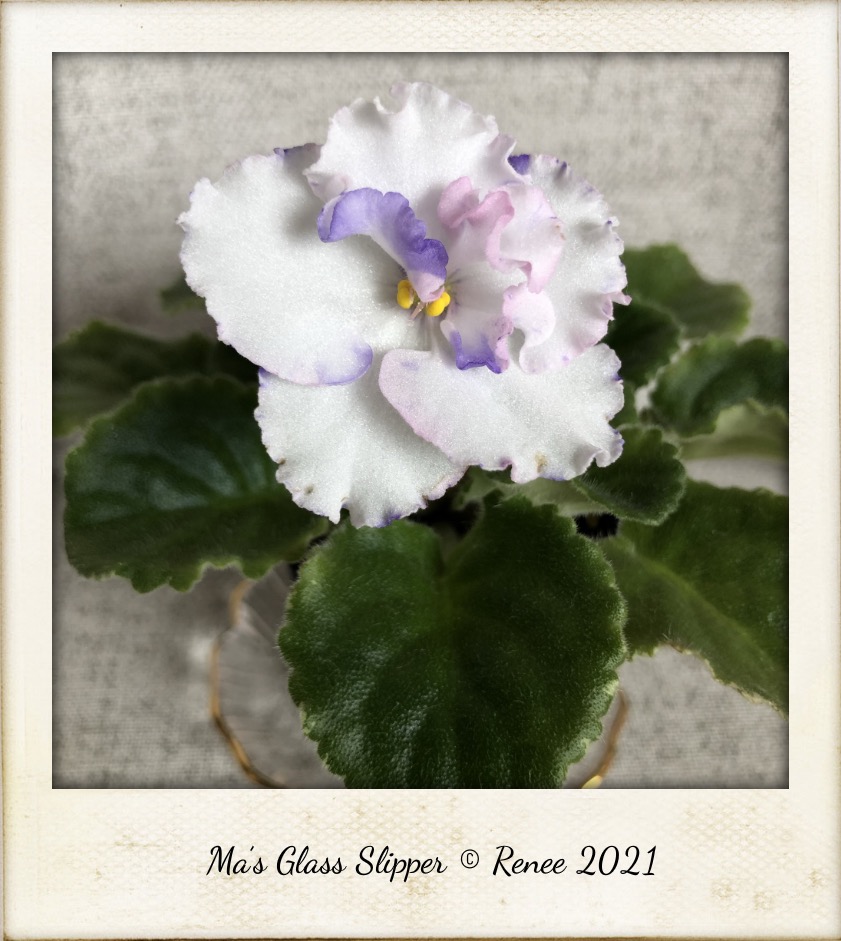
踏進晚上十二時,灰姑娘身上的魔法便會消失,她那華麗的晚裝會變回破舊的衣服。如灰姑娘般,人生總會有些限制。有些關係和事即使耗盡心力,卻事與願違、倍感無奈。我遇過最窩心的無奈是「在對的時候遇上錯的人」,又「在錯的時候遇上對的人」,這種充滿無奈的幸福就像灰姑娘的魔法,不是靠努力便能留得住。

時間給予人機會,但也刻下不少限制。如果限制是人生的附屬品,我想學習去接受、轉化它比否定、埋怨它更需要勇氣。有些人和事即使想得心思交瘁,也無法更改它要發生的時限。日本茶道說到「一期一會」,意思是人生每次的相會都無法重來,即使兩個人再相遇在同一個場合,彼此的神態、心境,甚至周遭的環境也在變化,從而勸勉人要珍惜當下,珍惜每次的相會。

[higher functioning people] sure of their beliefs and convictions they are not dogmatic or fixed in their thinking. They can hear and evaluate the viewpoints of others and discard old beliefs in favour of new. They are sufficiently secure within themselves that functioning is not affected by either praise 0r criticism from others. They respect the self and identity of another without becoming critical or becoming emotionally involved in trying to change the life course of another.

(Kerr & Bowen, 1988, p. 164)

如果變是人生不變的定律,那麼學習適應種種的無常便是一個重要的課題。我有不少從小到大持守的信念,這些「堅持」令我可以逆流而上。可是,並不是我所堅持的都必然如期,尤其當這些 「堅持」 涉及人和關係,當中的變數便難以全然控制。「堅持」 似乎需要伴隨一份客觀的冷靜,以往有些東西以為只差一點點便可以觸及,但這一點點實際上原來是遙不可及。Dr. Bowen很多時都說到”Adaptability” 和 “Flexibility” 的重要性。當我死守信念到一個漠視現實限制的程度,結果變成了一份固執並換來不少不甘心。

玻璃鞋是灰姑娘與王子共舞的美好回憶,它究竟象徵現實的「限制」?還是人生無常下的「省略號」?與其為未知的下文過度思索,不如珍惜當下。當魔法在頃刻消逝,然而灰姑娘的內心依然一樣美麗。

Heightened Sensitivity

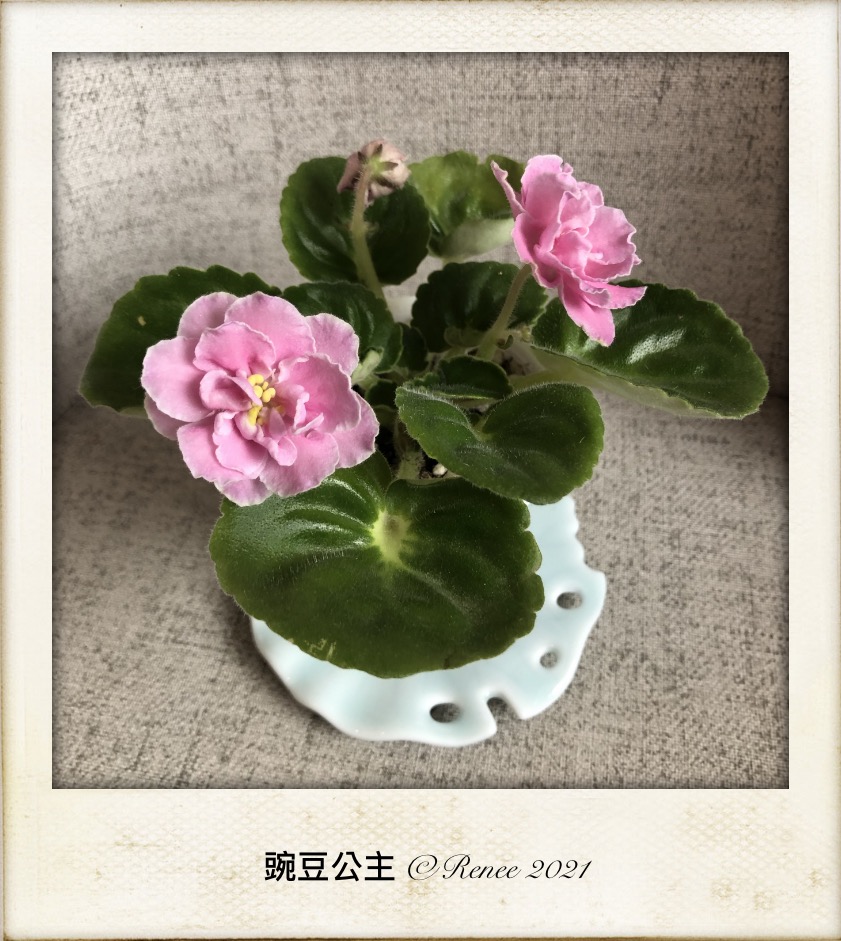
這株AV的名字令我想起安徙生童話中一個叫「豌豆公主」的故事,講述一位王子想娶一位「真正的」公主。在一個暴風雨的晚上,一個公主到城堡來敲門,皇后想看看她是不是真正的公主,於是她把所有的被褥都搬開,在床榻上放了一粒豌豆,然後把二十張床墊及二十鴨絨被放在那粒豌豆上,讓那位公主睡在這床上。第二天, 皇后問她睡得怎麼樣,公主說:「好像有什麼東西在床褥底下,我的背很不舒服,整夜都睡不著!」 一粒豌豆她都竟然感覺到,大家都認為只有真正的公主,才會有這樣敏感幼嫩的皮膚,於是那位王子就娶了這位公主,大家稱她為 「豌豆公主」。王子娶了這樣「敏感」的公主,能否從此過著幸福快樂的日子哩?

4 Relational Sensitivities:

– Attention (or Inattention)

– Approval (or Disapproval)

– Expectations (Met or Unmet)

– Distress (Cause or Fixer)

(Kerr, M. E., 2007)

生活中總有一些東西會容易觸動我們的神經,而我的那棵「豌豆」就是一種不被明白理解的感覺。Dr. Michael Kerr (2007)說到四種人際關係的敏感度:注意、認可、期望、苦惱,而這四者是可以互為影響。我想最主導我的應該是得到別人的認同,這與我原生家庭的成長經驗是息息相關。自小父母很愛護我,可是談到我的感受和想法,跟他們總是隔一道牆,不是否定就是忽略。於是我把這份期望帶到我的親密關係中,期待伴侶可以成為「知己」,明白我的所思所感。然而,這份期望往往都落空。或許只有跟自己談戀愛,才能夠達到這種思緖一體化(Emotional Oneness)的境界,但這還算是關係嘛?

從關係中去尋找自我,總會本末倒置,為著迎合別人而慢慢變得沒有立場和界線,這種「無私」也許只是沒有自我(Ego),令自己在關係中患得患失。自小受著父母的薰陶,就算遇到不合理的對待,都只會「算了」,這種不計較、不自私的生活態度,為我帶來很多真摯的關係,但偶爾也會受到傷害。不自私就等於沒有自我嗎?Dr. Michael Kerr (2010)曾談及 “Being a Self without being Selfish or Selfless”,藉著提升個人的「自我區分」(Differentiation of Self) 能力,在關係中能情理兼備(Intrapersonal)、和而不同(Interpersonal)。現在的我不再為了那顆「豌豆」而耿耿於懷,與其當一位 「豌豆公主」,不如像「睡公主」般悠然酣睡。

Imperfectly Perfect

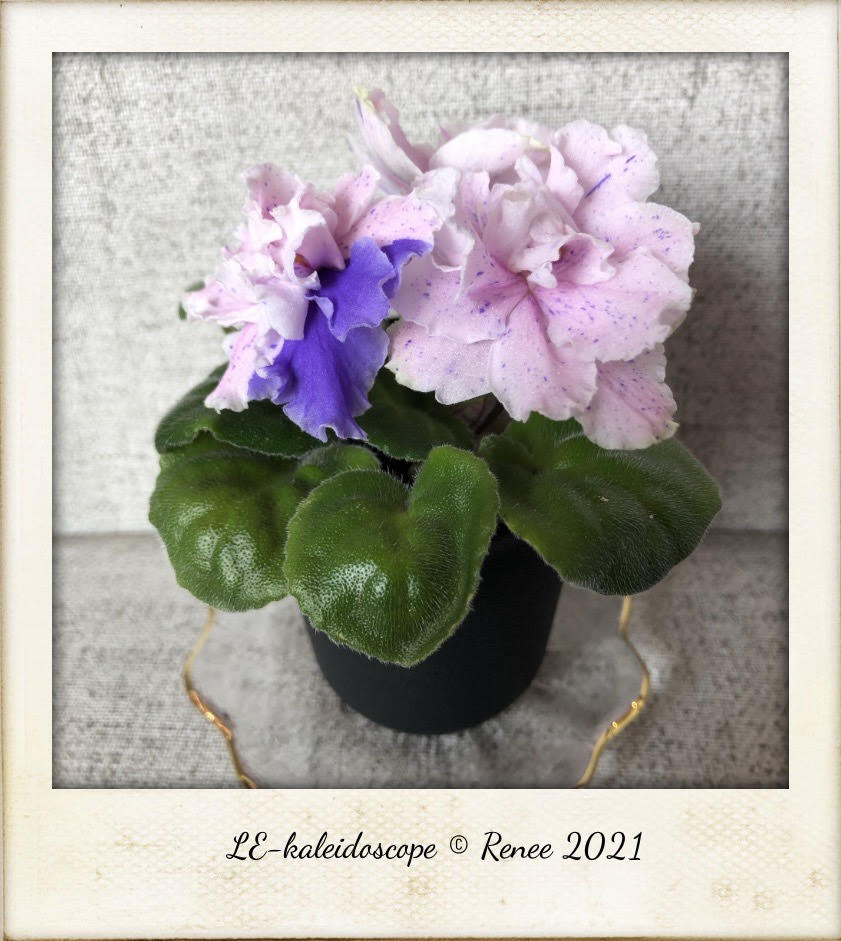
在一棵棵絢麗綻放的紫羅蘭中,這棵「特別」的LE-Kaleidoscope幾度令我凝神細看,或許在他人眼中,它那片紫色的花瓣意味著花兒走了色,開不到原來「應有」的花色,是有點不完美;但在我看來,這片紫色的花瓣卻很獨特,尤其當我不帶任何所謂「標準」的審美準則來評定它,它更是美麗動人。從小有完美主義傾向的我,繪畫時只要有一筆不稱心,便寧可通宵達旦再畫,也不願接受那丁點兒的瑕疵。雖然這種追求完美的精神造就了我的事業發展,但同時亦為我帶來不少的壓力及焦慮,甚至犧牲了自己的健康。

“All things being equal, a life course is determined by the amount of unresolved attachment to the family of origin, the amount of anxiety that comes from it, and the way the anxiety is dealt with.”

(Bowen to Family, 1978)

有天我請媽媽幫忙陪伴女兒做功課,細意聆聽,心裡有種似曾相識又不是味兒的感覺,聽著媽媽對女兒聲聲「不對!」、「寫得不好!」、「不是這樣!」、「你不專心!」,我隨即湧現一股熟悉的煩躁。以往,我會立即為女兒「辯護」(或許也同時為自己申訴);今天,我選擇一動不如一靜,用一個較客觀的角度去對待這位連小學也未畢業的媽媽,她是如何盡力在協助我照顧「我的」女兒,許多我眼中的「不足」,隨著我能更客觀、更設身處地去對待她,一切都只是她的「限制」。與其埋怨媽媽的「不足」,我選擇抽多點時間來陪伴及教導女兒,提升自己在家裡的「功能角色」(Functioning Position)。同時,我亦留意到自己的完美主義是紮根於那份渴求父母肯定的需要,這正是我在處理的「未處理的情緒依附」(Unresolved Emotional Attachement)。當我願意用欣賞LE-Kaleidoscope的態度來對待自己,我便不用再力求完美來換取別人的肯定,接受及欣賞不完美中的完美,更能享受生活的「萬花筒」。

My Happily Ever After

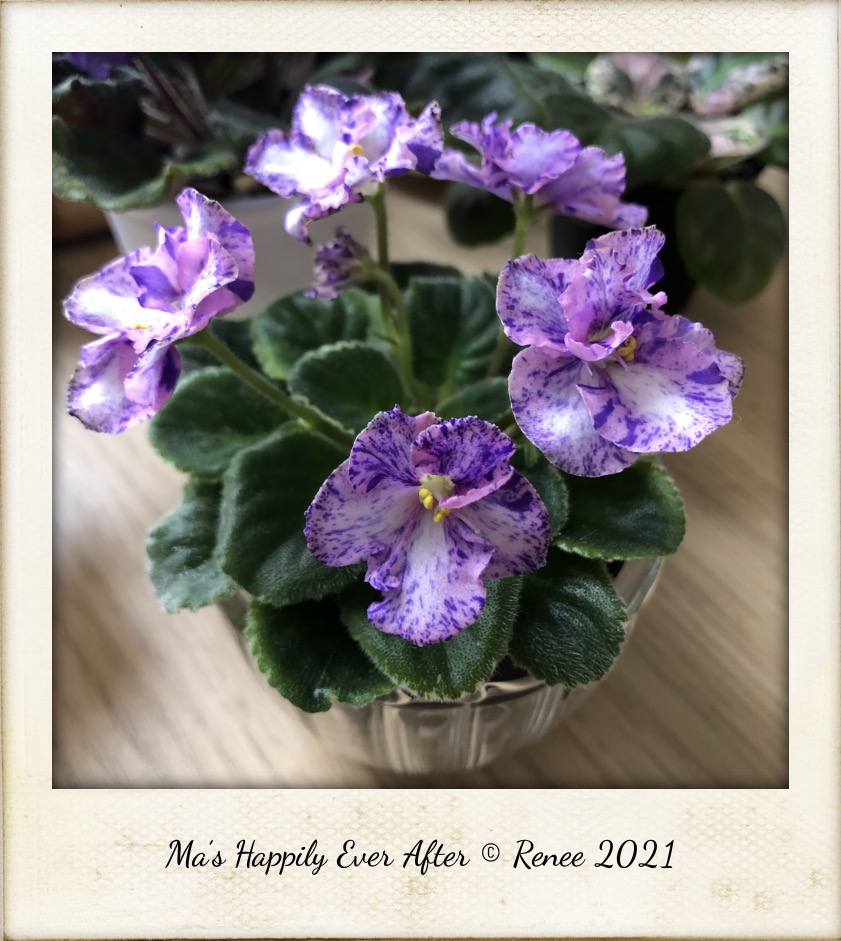
小時候很喜歡看格林童話,總相信心地善良的人,會有個美好的結局。有天看到這棵紫羅蘭,深深被它的名字吸引 — “Ma’s Happily Ever After”。美麗的童話故事曾經陪伴我渡過頗為寂寞的童年,心裡總期盼有天那位愛我的「王子」會帶我到他的城堡,然後大家便過著永遠幸福愉快的生活。現實裡,每一位我所邂逅過的人都讓我知道,幸福始終都要由自己來負責。以住很想在愛情裡找回童年所欠缺的那份被了解、被陪伴的需要。這個情意結植根得很深,深得遇上我的初戀時,簡直可以奮不顧身,世界好像就只有他可以給予我的”happily ever after”。我以為傾盡情感及心力,愛情便會開花結果,但彼此在那些年裡卻是離離合合, 由難捨難分變成一種剪不斷理還亂的感情。回想當時,那份感情很稚嫩,或許只在追求一份彌補自己童年缺失的關係, 那份「愛」裡只看到自己所期盼的。現在再遇,始覺從未認真了解當初這個與自己共行多年的人。在關係中尋找永遠的快樂真的可以嗎?Bowen (1962) 說到:

“In my opinion, HAPPINESS, AS A GOAL, IS UNATTAINABLE. It appears to work for a lot of us, in a half successful kind of way, but the showdown comes with the test case situation. It is NEVER POSSIBLE TO SUCCEED IN MAKING THE OTHER HAPPY because SELF CAN NEVER DETERMINE WHEN HE HAS SUCCEEDED. Only the other can determine when your effort has been successful. For most of us, we make an effort to please the other and the other, sensing our effort, ACTS pleased without bothering his head to KNOW whether he was pleased or not. Life goes on as a grand delusion with no need to be especially concerned about it.”

(Dr. Bowen to Family, X’mas Night, 1962)

Source: http://murraybowenarchives.org/topics/family-relationships/

學習Bowen Theory的過程裡讓我意識到「解鈴還需繫鈴人」,直至我能回到我的原生家庭,處理小時候對父母那些「未處理的情緒依附」(Unresolved Emotional Attachement),理解多了父母過去的處境,這份對爸爸媽媽的接納令我對自己產生不同的觀感。以往內心常繚繞那份莫明的恐懼、那份害怕會被留下獨自一人的孤寂,以及覺得自己不重要的想法也漸漸轉化了,至少現在我不太需要靠借關係來肯定自己的價值。經歷不同的人生際遇,讓我知道現實中的快樂並非永恆不變,與其追求永遠的幸福,我更喜歡珍惜當下,細味「一期一會」的意思。

The Primary Triangle

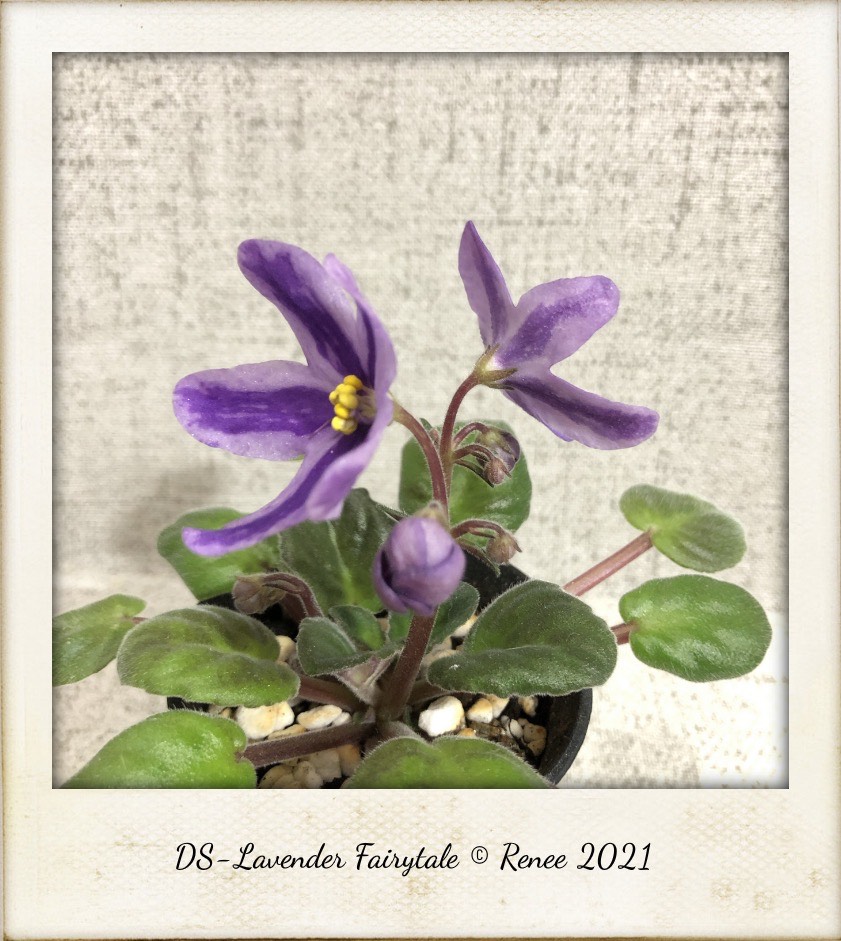
望著這株”DS-Lavender Fairytale”,兩朵花互不相視,就是有種「這麼近、那麼遠」的感覺。Bowen (1978) 說到兩個親密得彼此難分的人,和兩個不瞅不睬的人,大家之間的情緒強度(Emotional Intensity) 是可以相等。「因愛成恨」也許就是其中的一種演繹,當初愛得死去活來的愛情,最後亦可以令彼此恨之入骨,到死不相往來。

當兩個人的關係變得緊張,最容易將第三者牽涉其中,以緩減關係中的張力。婚姻中最容易出現的「第三者」就是小朋友,父母很容易將個人及在婚姻關係中的焦慮及壓力,轉移到小朋友身上。三角化(Triangling) 會把人與人情緒依附(Emotional Attachment)的需要及模式呈現,有些父母透過與孩子連一陣線,間接將伴侶排外,雖然暫時營造的距離緩和了伴侶間的張力,但這只令大家繞道而行,沒有真正處理問題癥結,結果漸行漸遠。被捲入三角的小朋友,會容易敏感父母的情緒反應,及不知不覺吸收了父母彼此的焦慮,令情緒難以穩定及獨立。希望相中的小花苞不會成為磨心,可以因應自己的步伐而成長。

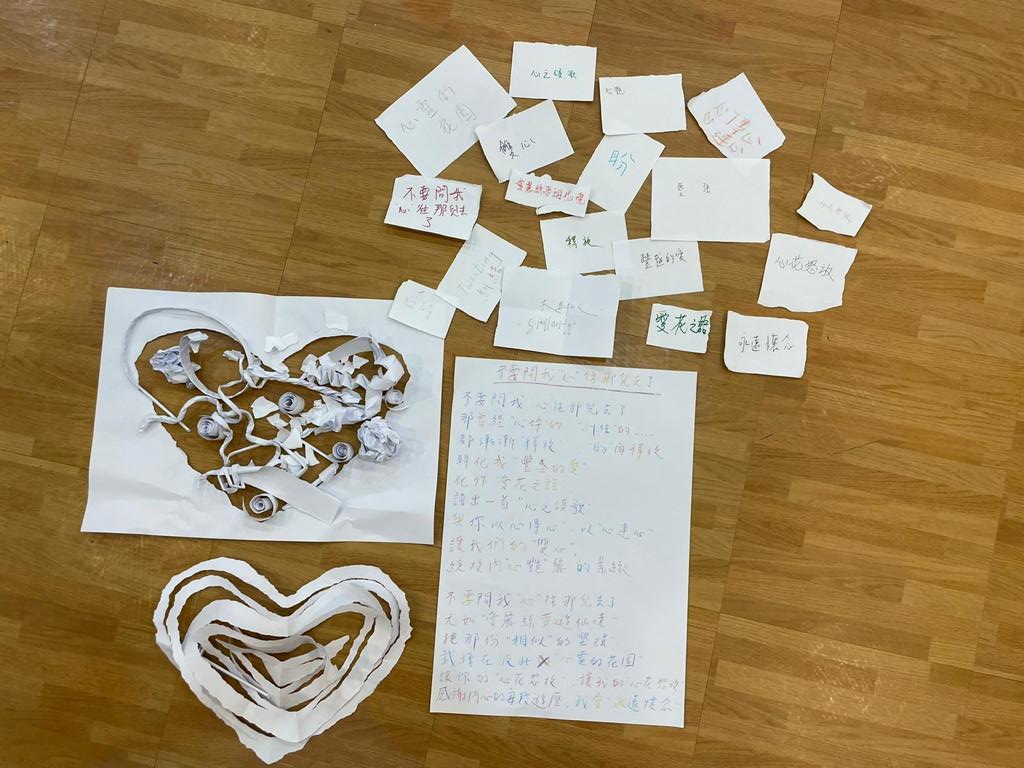
Don’t Ask Where My Heart Has Gone

“Where has my heart gone?” you asked, 

Once broken and entangled, now free at last.

Transformed into abundant love, it flows,

Composing words of love for flowers that grow.

An ode to the heart, it writes,

Connecting heart to heart, it ignites.

The beautiful scenery in your heart, it blooms,

A garden planted, a love that looms.

“Where has my heart gone?” you asked,

Like Alice in Wonderland, we take,

A journey we make, with strength that won’t break.

Our hearts in full bloom, they sing,

A melody of love, like the bells that ring.

Thank you for every journey in my heart

We’ll never be apart.

不要問我的心往哪兒去了

不要問我的往哪兒去了

那曾經心碎的、糾結

都漸漸釋放,盼再釋放

轉化成豐盛的愛

化作愛花之語

譜出一首心之頌歌

與你與心傳心,以心連心

讓我們的雙心

綻放內心艷麗的景致

不要問我的往哪兒去了

尤如愛麗斯夢遊仙境

把那份相似堅強

栽種在彼此心靈的花園

讓你的心花怒放

讓我的心花怒放

感謝內心的每段遊歷 我會永遠懷念

Markus invited us to play with the papers without any specific direction or theme. Initially, it was a challenging instruction to follow as I found it hard to play spontaneously. However, as I began to touch, tear and twist the papers, I became more present in the moment and more aware of my senses. Through this process, I could sense not just the texture of the papers but also the emotions that emerged from within me.

We were given instructions to create artwork using pieces of paper. We were also asked to leave a response for each other by freely associating each artwork with words, lyrics, images, etc. When I received the responses from my peers, I was amazed and inspired by the words they wrote for me. I used those words to create a poem titled “Don’t Ask Where My Heart Has Gone”. I tried to make use of every word to “dialogue” with my artwork and wrote a free-form poem. By reading my poem, I started developing a musical piece in my mind. It was an extraordinary journey for me to unfold spontaneously without judgment, control, or intention for specific outcomes.

The process of “de-centering” allows me to pause and be present in the moment. In the past, I used to feel guilty when I took a break as if I was not putting in enough effort. But now I understand that taking a step back can help me engage more effectively. Overall, I am grateful for the opportunity to learn and grow through this module, and I look forward to continuing my journey of self-discovery through the arts.

The Ferris Wheel in My Dream – Active Imagination

Dream The Dream On

“Active Imagination” involves having a “dialogue with the image” in our dreams by expressing them through some form of self-expression. The aim is to give voice to different personalities within oneself, particularly the anima, animus, and the shadow, that are usually ignored. This helps establish communication between the conscious and the unconscious mind.

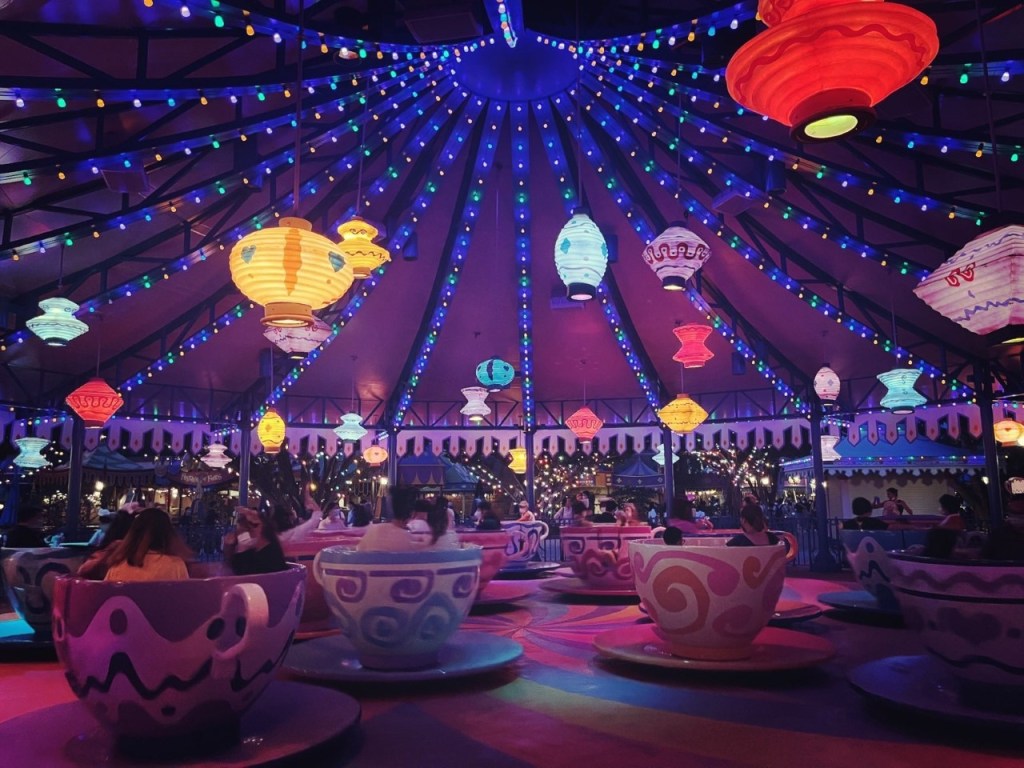
I shared a recurring dream that I keep having with my two group mates. It’s about a theme park that I have never been to before. In the dream, I look out of my window and see a beautiful and colorful flower field, similar to the ones in the Netherlands. Suddenly, the field transforms into a theme park, and I see people gathered for an opening ceremony. Even though I stay in my apartment and watch them from afar, my heart yearns to be part of the fun. This dream often wakes me up at this particular moment, and I wonder what this dream signifies and what messages my subconscious mind is trying to convey to me. So, I hope to understand the significance of my dreams through active imagination and gain a deeper understanding of myself.

Beyond simply noticing the images, the process also involves a conscious participation in them. My teammates and teacher asked me to describe my dream in more detail. They also asked what I would like to say to the crowd if I could “dream the dream on”. I replied that I would ask the crowd, “May I play with you?” However, they wondered how the crowd would respond. I told them that the crowd didn’t seem to notice me and just continued playing with each other. Feeling left out, I went downstairs and ran to them, telling them that I wanted to play with them. But they hardly gave any response. When I tried to approach them closely, they started leaving the theme park. Suddenly, all the lighting and facilities of the park turned off, and everywhere became dark. They then asked me how I would react at that moment, and I said that I shouted to the crowd, “Why couldn’t you just wait for me!” This sentence made me cry immediately because it reminded me of a childhood experience when I got lost in a shopping mall, and my mother wasn’t with me. This feeling of being left out or abandoned resurfaced, revealing my inner fear of loneliness.

One of my groupmates made an artwork to provide me with his aesthetic response – a paper model of a Ferris Wheel. It was fascinating to look at, and it got me thinking about my dream. I decided to try and give my dream an ending, using the Ferris Wheel as my inspiration. To continue with my dream, I found myself standing alone at a theme park in the dark. I could see a security guard there for checking the facilities. I approached him and asked him whether he could turn on the Ferris Wheel for me to take one ride, and he kindly agreed. As I got into the cabinet on the Ferris Wheel, I could feel the excitement inside of me. The view from the Ferris Wheel was stunning. From that higher perspective, I could see the surrounding areas and appreciate their beauty that I never think of. I look forward to exploring this technique further and discovering the transformative power it holds.

Overall, it was a surreal experience, and I’m glad I got to live it, even if it was only in a dream. Through the process of active imagination, I was able to connect with my deepest fear and gradually transform it into a sense of courage, enabling me to stand alone. The artwork created by my groupmate sparked my imagination and was crucial to the healing process. For this, I am truly grateful. As Jung suggested, dwelling on the image can act as a transcendent function, helping us to understand ourselves, live in the present moment, and accept reality as it is, rather than how we think it should be. And it coincidently echoes to my Temenos.

My Temenos

A “Temenos” is a Greek term used to describe a sacred and secure space. It is the personal boundary that surrounds an analytical relationship, fostering feelings of safety and privacy and promoting deeper analysis and introspection.

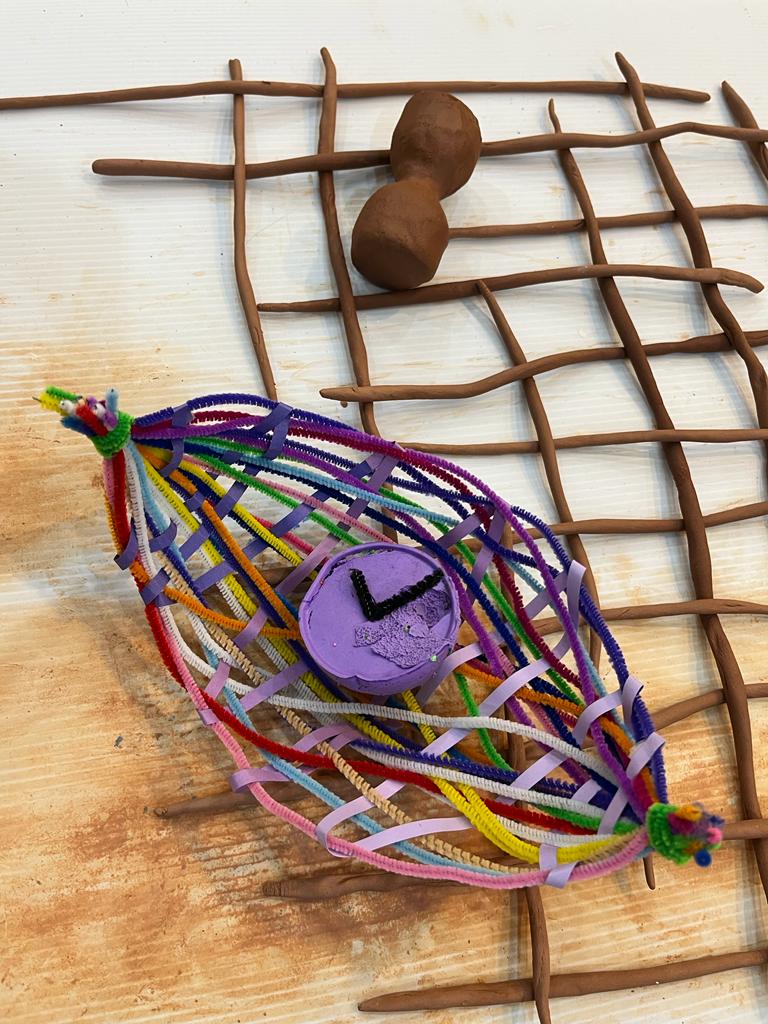
Today, I spent quality time working on my Temenos, a space I have created for myself using clay and other art materials. I also used netting (with clay) to make my personal space relatively elastic and transparent, which gives it a unique look. One of the key elements of my Temenos is an hourglass that I created using clay. This hourglass symbolizes the idea of time travel, which is something that has been on my mind a lot lately. I often find myself reflecting on the past, yet I would like connecting more with my present, and instilling hope to anticipate the future, and this hourglass serves as a reminder of that. In addition to the hourglass, I also created a boat to transport a clock that represents the passage of time. However, when I finished the boat, it appeared stranded, which was not what I had intended. During the group sharing, my teacher Eve pointed out that “netting” appears frequently in my artwork, she encouraged me to look for the symbolic meaning of “netting,” and I did. I came across an interesting website that talked about the metaphysical meaning of nets. According to the site, a net symbolizes the human mind that catches thoughts, which shape our external circumstances. As I reflected on this, I realized that my mind often works tirelessly in the darkness of my understanding, but I do not always see the results I desired for. However, it also mentioned that when we perceive and follow God, the net is cast on the “right side,” leading us towards true success. I was contemplating the act of weaving, I realized how it represents the processes of creation and growth. Each thread is carefully intertwined, forming a beautiful and intricate design. It made me reflect on how our lives are also a tapestry of experiences, woven together to create a unique and beautiful story. As I continued to weave, I couldn’t help but think about the past and how often I overthink it. I realized that dwelling on the past takes away from the present moment, and it’s the present that shapes our future. I wish I could stay more present and live in the moment for a brighter and more fulfilling future. I hope to keep this in mind and work towards a better mindset to stay on the right path.

By using the clay to craft my Temenos, it was a humbling experience to work with such a simple material, but I found that clay allowed for great flexibility and creativity in the art-making process. While I was molding and shaping the clay, it allowed me to carefully bring my vision to life that I never could have imagined. It was an intricate process, but the malleability of the clay allowed me to create complex details and textures that added depth and character to the final product.

The Sensory Encounter

The Permission of Wherever I was

“Active Imagination” involves having a “dialogue with the image” in our Today, I had an enlightening experience in my module on the Phenomenological Approach. Our trainer, Markus Scott-Alexander, led us through a variety of art forms, including visual, kinesthetic, and body movement.

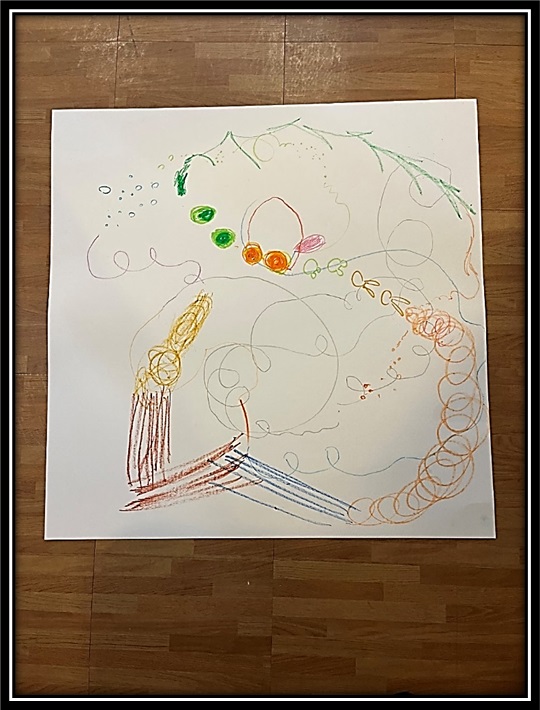
One of the activities that stood out to me was when we partnered up with another participant to take turns performing a dance while the other person observed and created a drawing of the dance’s trajectory. I found this to be a unique way of exploring self-expression and creativity while also engaging with others.

I had a revelation while dancing. I realized that it is important for me to give myself permission to fully embrace my own pace and steps. In the past, I used to shy away from being the center of attention, as it made me feel anxious. However, when my partner paid attention to my steps and helped me track the ways I danced, I felt completely engaged. Her undivided attention was incredibly supportive and helped me step out of my comfort zone.

I received a beautiful drawing from my partner after I finished my dance. As soon as I looked at it, I saw my life flash before my eyes like a kaleidoscope. The various trajectories of my “dancing journey” were reflected in the drawing. Like my life trajectories, some parts were easy and smooth, while others were more challenging. However, they all created a colourful and beautiful picture of my life. As I continue to reflect on my life, I felt grateful for every experience that has brought me to where I am today. Even the tough times have helped me become stronger and wiser. It’s amazing how every experience, whether good or bad, has helped me grow and learn. I’ve also come to realize that life isn’t just about reaching the destination, but also about the journey. Each step we take, each obstacle we overcome, and each moment we cherish is essential in creating a unique and beautiful picture of our lives. It’s important to appreciate each moment, no matter how small, as every experience shapes who we are. This moment of reflection has been transformative. I’m thankful for this reminder and the beautiful drawing that perfectly captured the essence of my journey.

Let Go of Self-stigma @ LEGO X Photo Voice

Self-stigma is like an invisible mark of shame that a person put on himself. It is one of the most significant challenges in mental health that affects various aspects of a person’s life.

In the group session today, participants have been experiencing labeling and discrimination from people around them. Many feel obligated to seek help and support yet being able to come out is actually challenging to them due to the fear of stereotyping and devaluing.

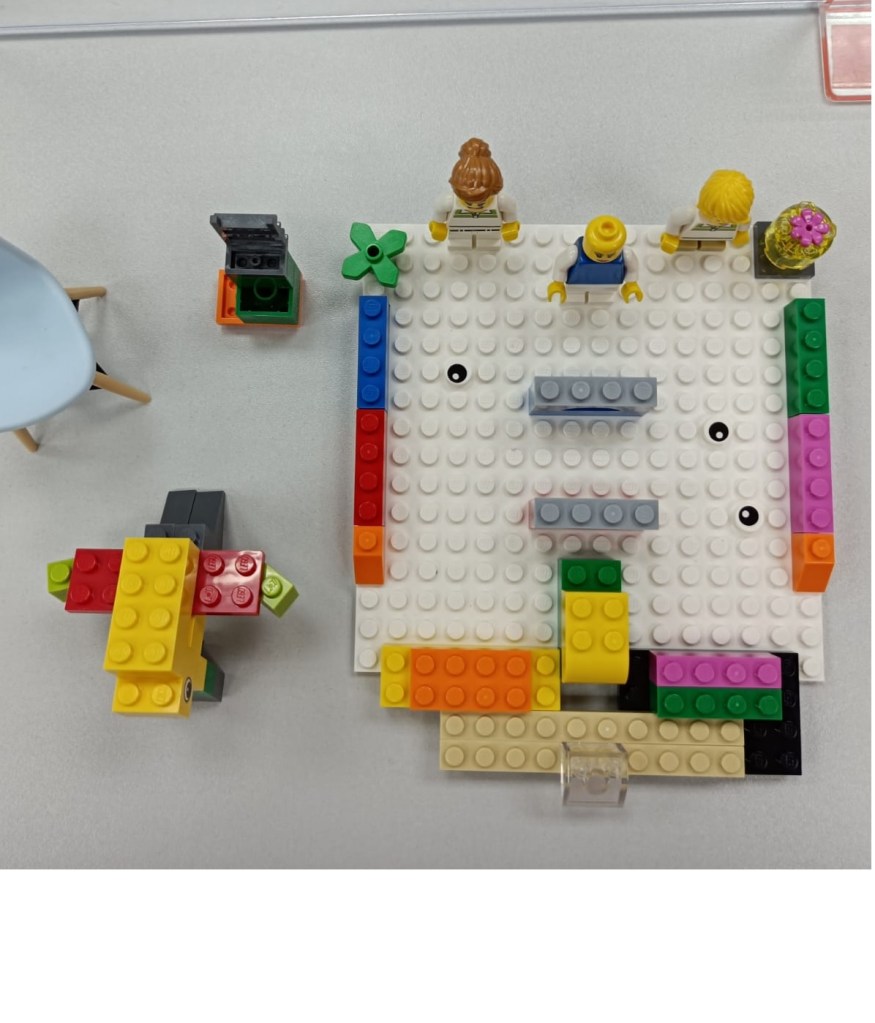
By using Lego bricks with photo cards, they shared the way how they would like to see themselves and the elements that deems importantly to their recovery. When they gradually accept their condition and knowing that they are just human beings who are going through a hard time, many of them regain the energy to focus more on their strengths as well as to embrace their limitations.

“I picked this photo as I value those who are willing to walk along with me during my recovery journey. I wish to become a sea turtle who is strong and patient enough to walk with other people, to share their tears and happiness, and to shoulder their burden.” One participant described about his “model”. It is important, wonderful and comforting to know that they are not alone in the struggle.

Left: I ‘m like an octopus, trying to use my legs to explore the world … … Luckily I have a social worker who always gives me courage and support to face the “unknown”.

Right: I need companion while I can be a good companion for others during the journey of recovery.

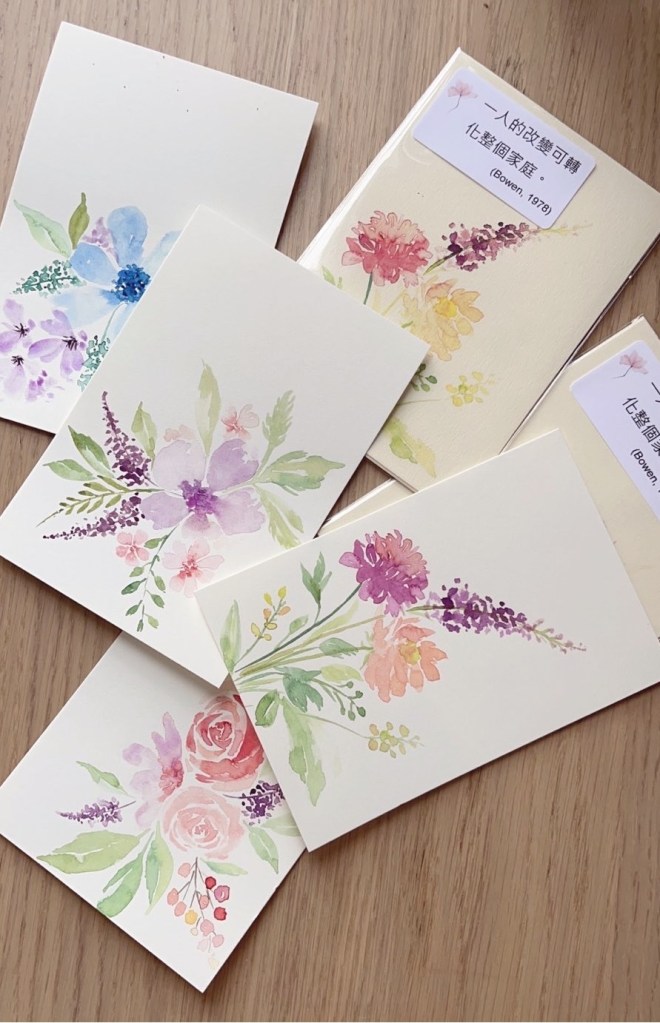
Family-of-origin Journey@ Watercolor X Lego

The basic therapeutic principle of Bowen Theory is that ” …… the emotional problem between two people will resolve automatically if they can remain in contact with a third person who can remain free of the emotional field between them, while actively relating to each” (Bowen, 1978, p. 229). During the group sessions, it was important for me to see emotional process flowing back and forth among the participants. By building their models, participants were able to observe and “see” the relationship patterns with their family members and how s/he relate to each of them. Majority of them were inspired with a quote from Dr. Bowen that … …

“An entire family can be changed through the effort of one person.”

(Bowen, 1978, p.246)

Without putting the blame on others or taking the blame from others, participants were encouraged to reflect on their “automatic responses” and “functioning pattern” while they were interacting with their family members. It was helpful to realize the reciprocal effect of one’s reaction to the other and the hypothetical beliefs that s/he holds toward the other. With a more thoughtful base of guided principles, some members were able to cut through the reactivity, such as anxiously lecturing their children or partners. By being more observant in the family and more tolerate of tension, distress and anger, it allows new relationship patterns to emerge and bring forth positive changes.

An Undiscovered Pearl

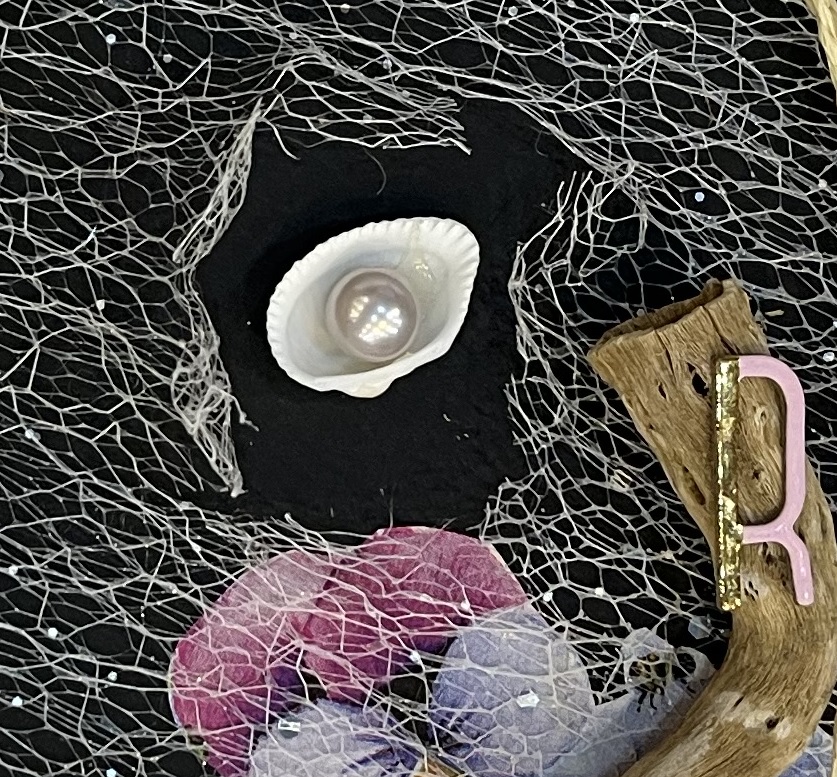
I have also put a pearl in a seashell onto my mandela. Pearl usually represents a symbolic of wisdom and well known for its calming effect. The formation of a pearl begins when an irritant slips its way into the shell of particular species of oyster, mussel, or clam. As a natural defense, the mollusk secretes a fluid to coat the irritant. Taking some time, layer upon layer of this coating is deposited on the irritant until a beautiful pearl is formed.

This pearl forming process resembles my growing up journey in various aspects. The irritant is similar to some hurdles and struggles arising from different life incidents that I have been encountering. I could be defensive in times of anxiety, yet my core self becomes more and more solid by opening up to and going through different life experiences. I happened to see myself as “a pearl left in the boundless sea” (i.e., 滄海遺珠) that I have to uncover my strengths and uniqueness without the need to seek for recognition of others.

Serendipity and Happy Accident

Jung stated“Synchronicity is an ever-present reality for those who have eyes to see.” It helps to derive value from coincidental events and assist one in overcoming negative thought patterns and self-limiting beliefs. I have associated synchronicity with another word “Serendipity” that I first seen from a 2001 romantic movie. Serendipity is when you stumble on a happenstance when you least expect it. I love to experience the idea of a “happy accident” when I am doing watercolor painting. It seems like a paradox when we used to associate “accident” with an unexpected negative event that usually ends up in disappointment, damage and injuries. Doing watercolor painting is never easy, especially when you intend to control the flow and mixing of colors. Though sometimes the colors may not go into the ways I would like to see, the creativity and openness allow me to accept and even transform those unplanned incident into something special. The willingness to go with the flows of life events and the openness to see thing in different light allows me to stay attuned to my changeable surroundings, especially when I learn to derive meaning from every “chance encounters”.